
Blog
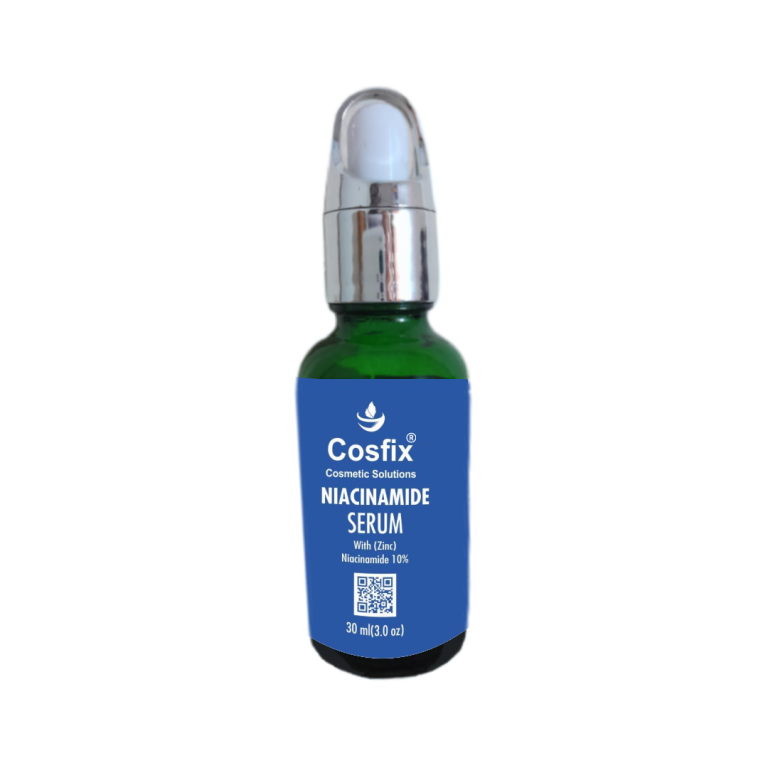
If you’re looking for the best Hyaluronic acid and Niacinamide serum for glowing skin, this complete guide will help you understand everything—from how Hyaluronic acid serum works to its hydration benefits, anti-aging effects, and the right way to use it in your skincare routine. Whether you have dry skin, oily skin, or sensitive skin, this powerful combination helps improve skin texture, boost moisture retention, and deliver a long-lasting hydrated, radiant glow.
What Is Hyaluronic Acid and Niacinamide Serum & Why It Matters
Hyaluronic acid and Niacinamide serum is a powerful skincare product designed to deliver deep hydration, improve skin texture, and enhance overall skin tone. While Hyaluronic acid focuses on water binding, moisture retention, and creating hydrated skin, Niacinamide works as an anti-inflammatory, helping calm irritated skin, reduce wrinkles, and strengthen the skin barrier. This combination is ideal for achieving smooth skin, radiant skin, and a long-lasting healthy glow—making it one of the best serums for all skin types.
How Hyaluronic Acid and Niacinamide Serum Works on Skin
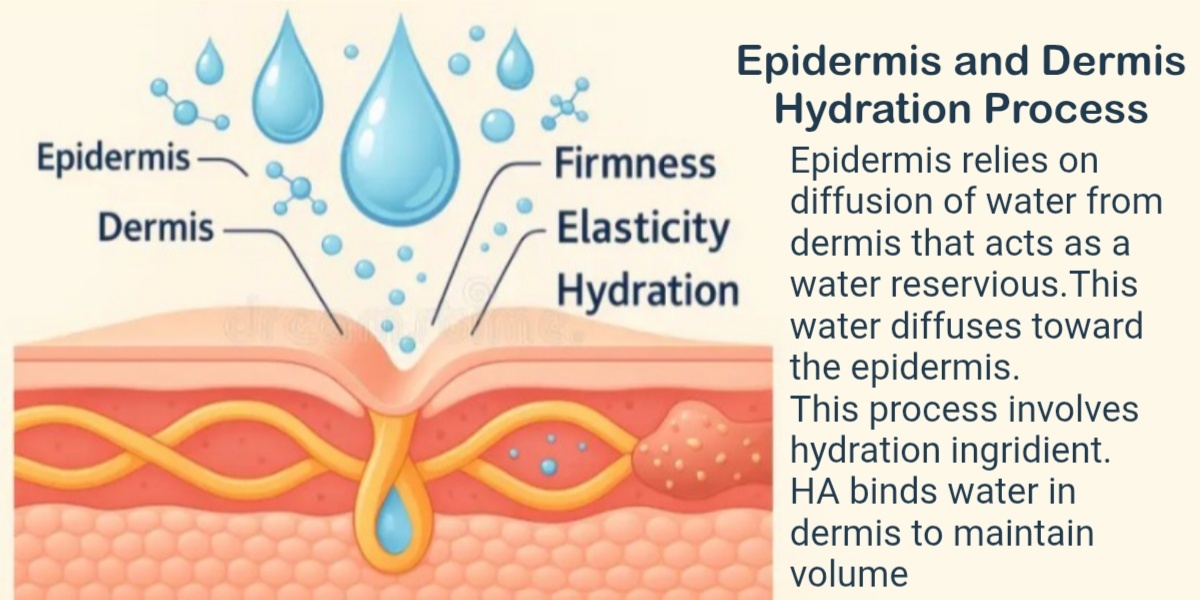
How Hyaluronic Acid Serum Works
- Attracts and binds water for hydration boost
- Improves water retention and holds moisture
- Reduces trans-epidermal water loss
- Creates plump skin and supple skin
How Niacinamide Works
- Controls oil in oily skin
- Reduces redness in sensitive skin and conditions like rosacea and eczema
- Improves skin tone and reduces fine lines
- Protects against environmental stressors like pollution
Combined Effect
Together, they:
- Deliver balanced skin hydration
- Strengthen barrier protection
- Improve product absorption
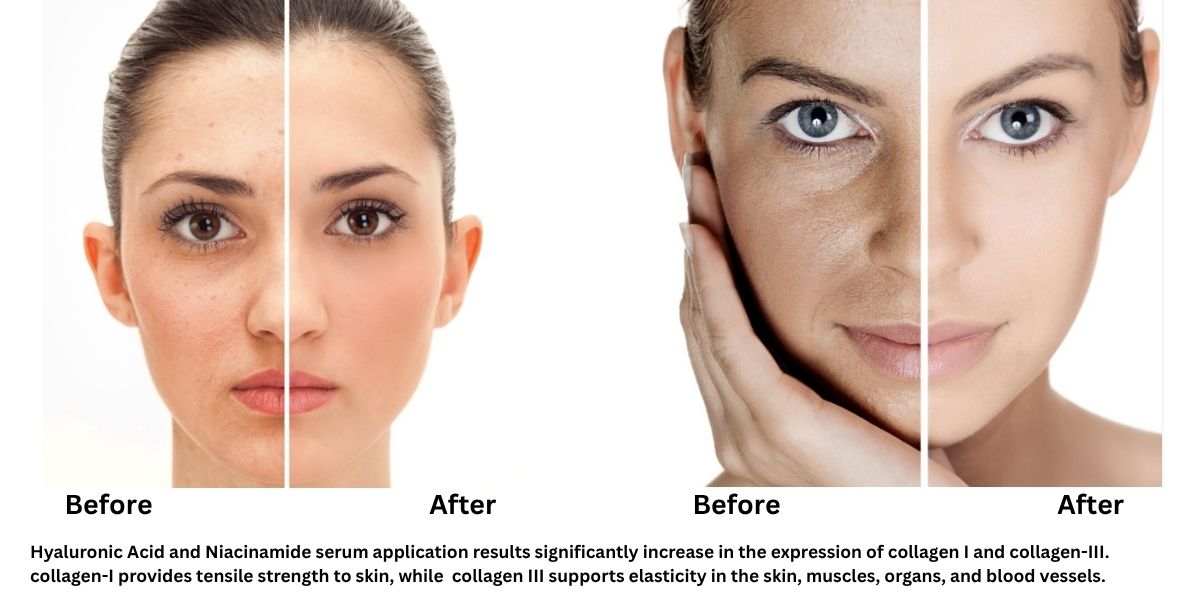
- Support collagen production
Benefits of Hyaluronic Acid and Niacinamide Serum
Hydration & Skin Health Benefits
- Provides deep skin hydration
- Maintains moist skin and prevents dry skin
- Supports skin moisture retention
- Creates dewy skin and soft skin
Anti-Aging & Skin Repair
- Helps fine lines reduction
- Reduces wrinkles
- Enhances skin elasticity improvement
- Boosts anti-aging hydration
Skin Appearance Improvements
- Improves even skin texture
- Enhances radiant skin
- Promotes natural glow
- Gives healthy glowing skin
Types of Hyaluronic Acid Used in Serum (With Functions)
1. High Molecular Weight Hyaluronic Acid
- Provides surface hydration
- Forms hydrating film on skin
- Offers skin barrier protection
2. Low Molecular Weight Hyaluronic Acid (LMW-HA)
- Enables deep skin hydration
- Supports dermis penetration
- Boosts collagen stimulation
3. Medium Molecular Weight Hyaluronic Acid
- Provides balanced hydration
- Maintains skin moisture balance
- Improves skin elasticity
4. Hydrolyzed Hyaluronic Acid
- Acts as fast absorption serum
- Offers lightweight hydration
- Ideal for daily hydration serum
5. Sodium Hyaluronate
- A stable hyaluronic acid derivative
- Improves enhanced absorption
- Supports long-lasting hydration
6. Cross-Linked Hyaluronic Acid
- Provides slow-release moisture
- Supports skin volume to keep it plump
- Works as wrinkle filling solution
Why Molecular Weight Matters in Hyaluronic Acid
The effectiveness depends on molecular weight:
- Low molecular weight → penetrates deeper into dermis layers
- High molecular weight → protects surface and prevents water loss
Science Insight
- Works under molecular skincare technology.
- Follows absorption principles for advanced skin hydration
- Helps deliver active Hyaluronic acid effectively
How to Use Hyaluronic Acid and Niacinamide Serum Correctly
Step-by-Step Skincare Routine
- Cleanse your face
- Apply hyaluronic acid serum on damp skin
- Use a few drops only (avoid too much product)
- Gently spread (apply serum correctly)
- Apply moisturizer after serum
Morning Routine
- Hydration + protection
- Use before sunscreen (serum before makeup)
Evening Routine
- Repair and recovery
- Works well with hyaluronic acid with retinol
Important Tips
- Always use on damp skin (not apply on dry skin)
- Never skip moisturizer
- Follow consistent skincare habits
How to Choose the Best Hyaluronic Acid and Niacinamide Serum
Key Features to Look For
- Non-comedogenic formula (best for acne-prone skin)
- Fragrance-free skincare
- Paraben-free serum
- Safe for sensitive skin products
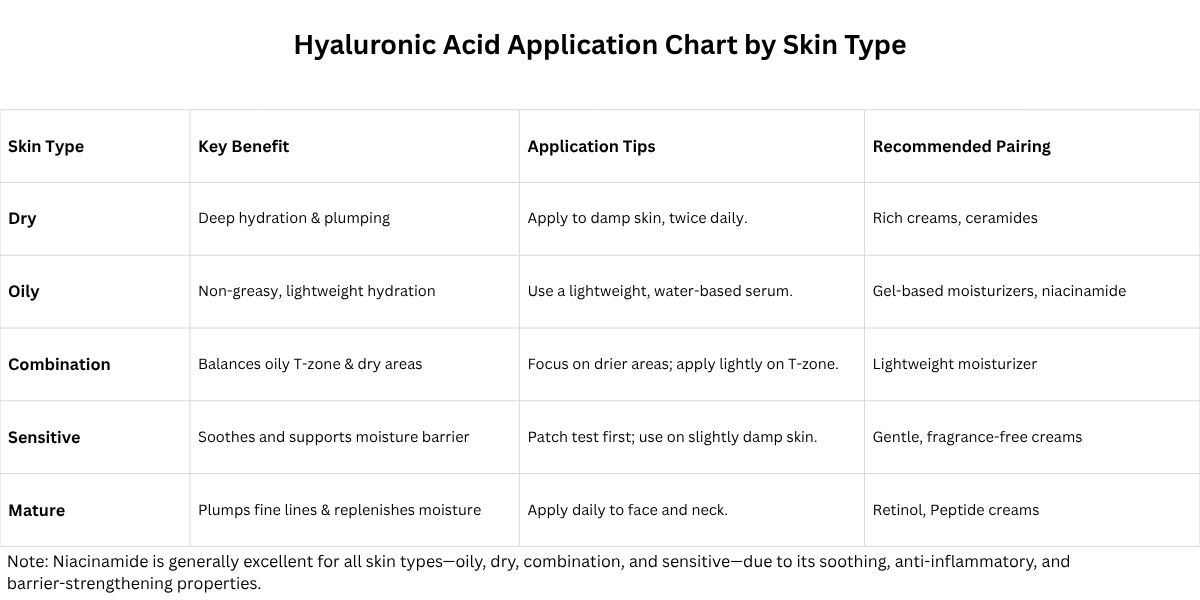
Based on Skin Type
- Dry skin → rich hydration formula
- Oily skin → lightweight serum
- Combination skin → balanced formula
Sensitive skin → gentle ingredients
Buying Tips
- Check skincare reviews
- Choose trusted skincare brands
- Look for affordable skincare options
Climate Impact on Skin Hydration
Your environment plays a big role in hydration for skin.
In Pakistani Climate
- Low humidity causes faster moisture loss
- Lahore weather and similar cities increase dryness
- Pollution damages the skin barrier
What to Do
- Always lock hydration with moisturizer
- Use serum twice daily (use Hyaluronic acid daily)
- Stay hydrated (drink water for skin)
Common Mistakes & Myths about Hyaluronic Acid Serum
Common Mistakes
- Applying on dry skin
- Using too much product
- Skipping moisturizer
- Inconsistent routine
Common Concerns
- Hyaluronic acid breakouts → usually due to wrong layering.
- “How long does hyaluronic acid take to work?” → visible results in 1–2 weeks
Best Practices for Glowing Skin with This Serum
- Follow a daily skincare routine
- Maintain healthy skin habits
- Use layering skincare correctly
- Focus on skin nourishment
- Combine with sunscreen for best results
FAQs
Is Hyaluronic acid and Niacinamide serum safe for daily use?
Yes, it is safe and highly effective when used twice daily for hydrated skin and balanced skin.
Can I use Hyaluronic acid with Retinol ?
Yes, it helps reduce dryness and irritation caused by Retinol .
Should I apply on damp or dry skin?
Always apply on damp skin for better product absorption and hydration.
Is it suitable for acne-prone skin?
Yes, if it is non-comedogenic, it works well for acne-prone skin.